Industrial control refers to industrial automation
control, which is mainly realized through the combination of electrical,
electronic, mechanical, and software technologies. It is industrial
control or factory automation control. It mainly refers to the use of
computer technology, microelectronic technology, and electrical means to
make the production and manufacturing processes of factories more
automated, efficient, accurate, controllable, and visible.
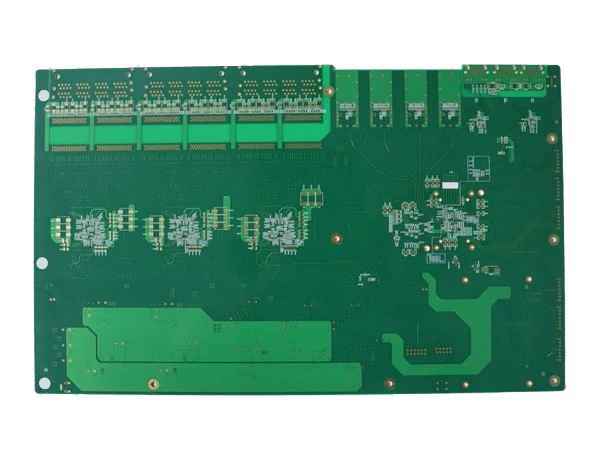
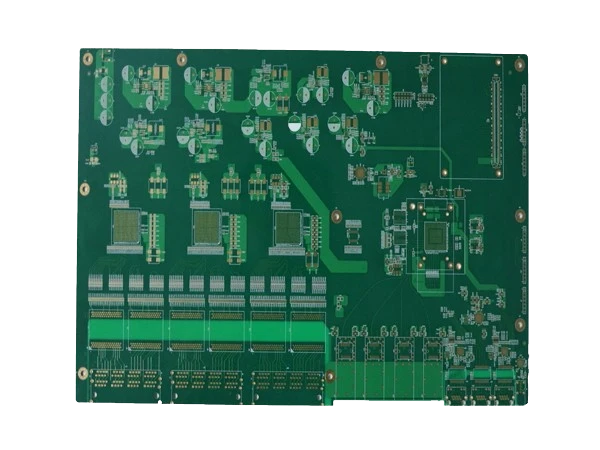
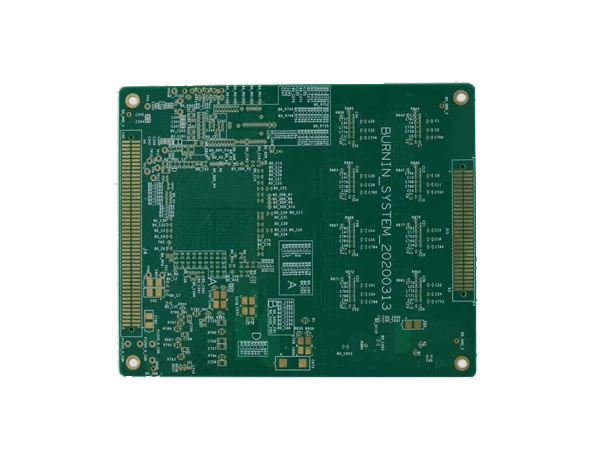
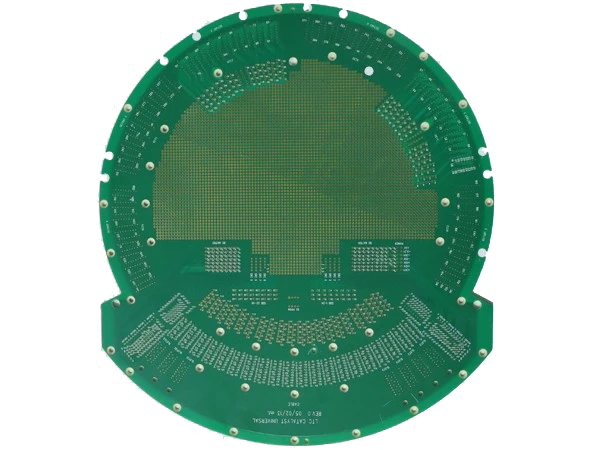
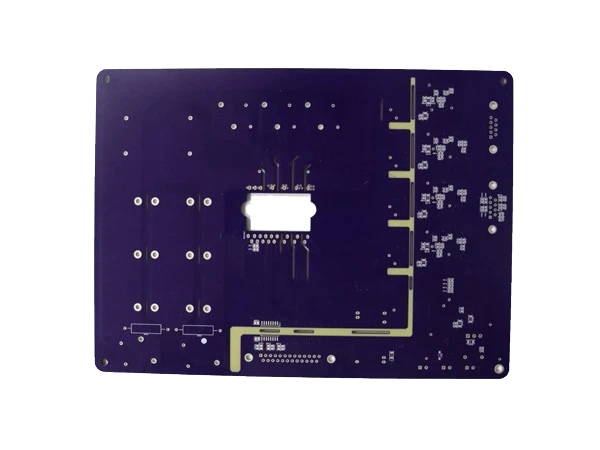
Industrial control PCB circuit boards:
1.
Dedicated or general-purpose circuit boards for industrial control,
where the underlying circuits are already completed and I/O ports are
reserved. After purchasing the industrial control circuit board, users
connect their own devices, such as motors, electromagnetic valves, and
sensors, to the reserved input and output ports on the circuit board to
complete the functions they want to achieve.
2. There
are dedicated circuit boards and general-purpose circuit boards.
Dedicated circuit boards are boards specifically designed for a certain
function, such as temperature control circuit boards. After purchase, a
thermocouple is connected to the input port, and a heating contactor or
solid-state relay is connected to the output port to control the heating
device and complete temperature control. There are also flow control
boards, motion control boards, etc.
3. General-purpose
control boards, most of which are programmable. After secondary
development by the user, they can complete specific functions and have a
relatively wide range of applications. For example, a PLC is a
general-purpose industrial control board. After the user writes,
compiles, and inputs the program, it can complete various functions,
having digital inputs, analog inputs, high-speed counting ports, digital
outputs, analog outputs, and some even come with communication
functions.