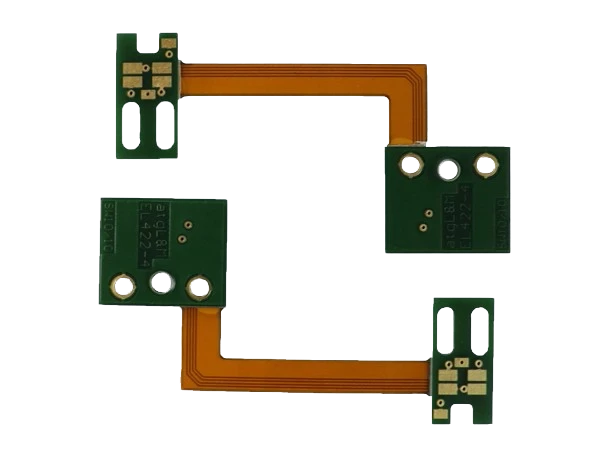
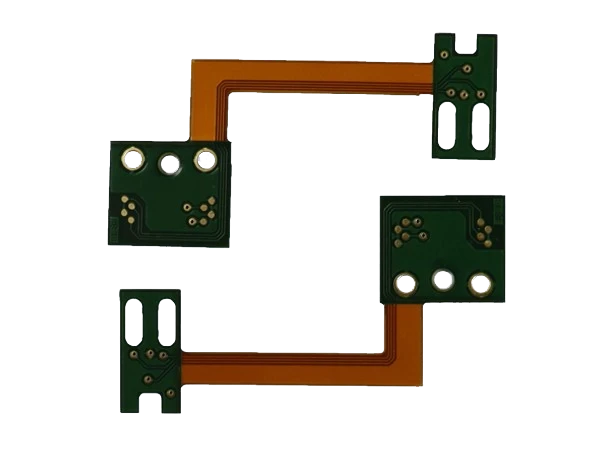
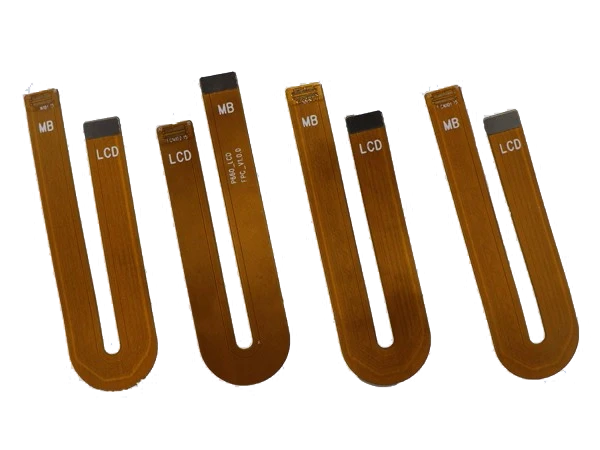
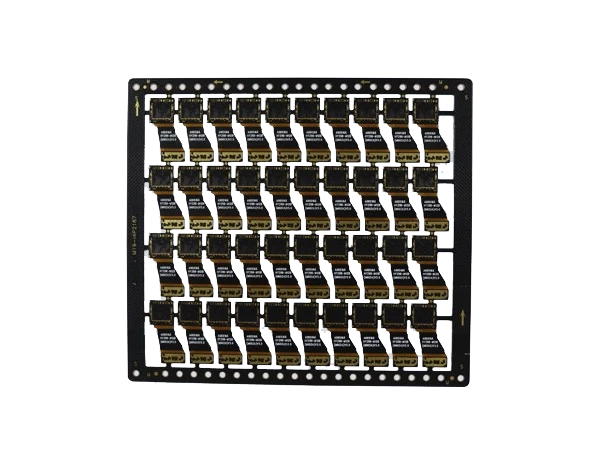
Rigid-flex boards are circuit boards formed by
combining flexible circuit boards and rigid circuit boards through
processes such as lamination according to relevant process requirements,
resulting in a circuit board that possesses both FPC and PCB
characteristics.
Advantages: Rigid-flex boards
simultaneously possess the characteristics of both FPC and PCB.
Therefore, they can be used in products with special requirements,
having both flexible areas and rigid areas, which is of great help in
saving internal space, reducing the volume of the finished product, and
improving product performance.
Disadvantages:
Rigid-flex boards have numerous production processes, high production
difficulty, and a low yield rate, requiring a large investment of
materials and labor. Therefore, their price is relatively expensive and
the production cycle is relatively long.