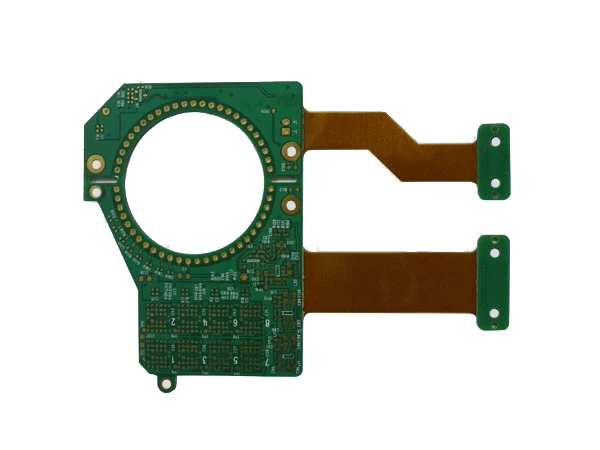
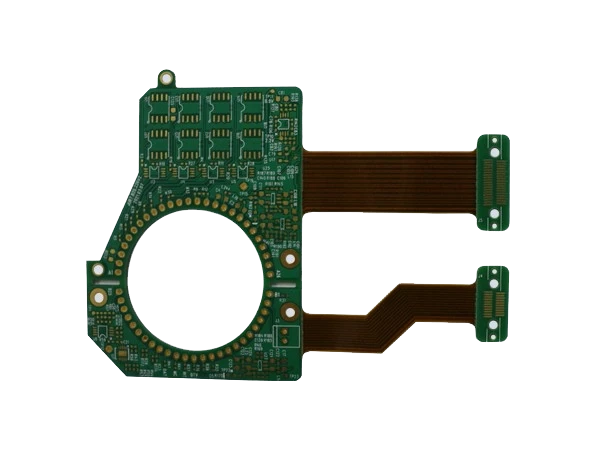
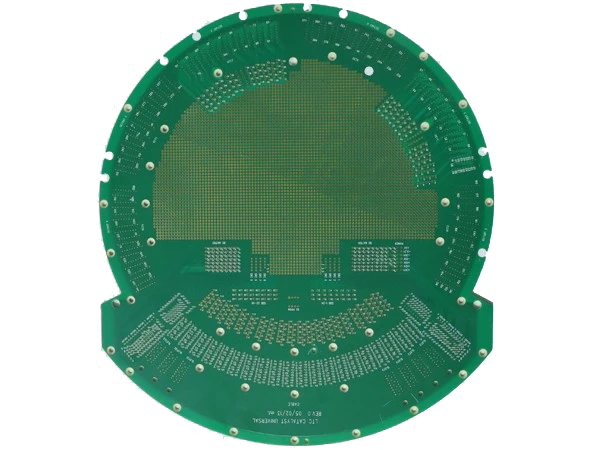
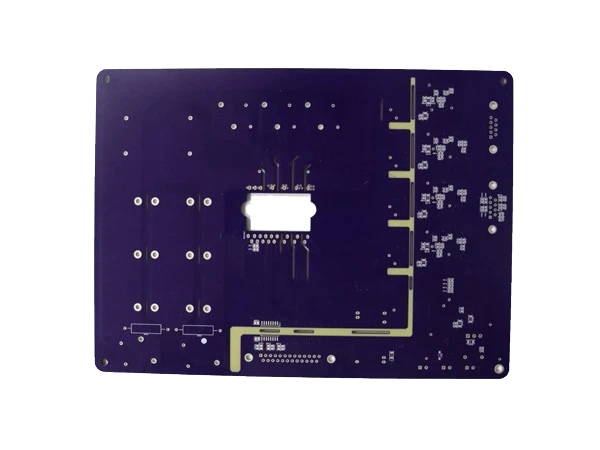
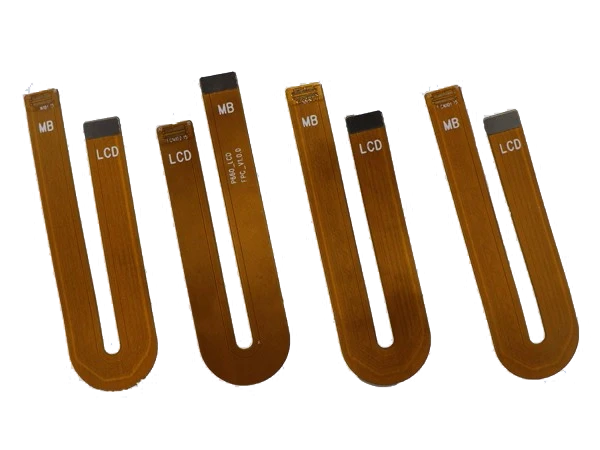
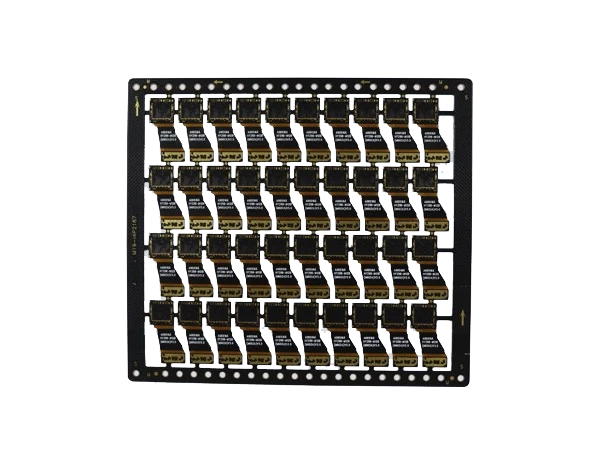
Rigid-flex boards are circuit boards formed by
combining flexible circuit boards and rigid circuit boards through
processes such as lamination according to relevant process requirements,
resulting in circuit boards that possess both FPC and PCB
characteristics.
Advantages: Rigid-flex boards
simultaneously possess the characteristics of both FPC and PCB.
Therefore, they can be used in products with special requirements,
having both flexible and rigid areas, which is of great help in saving
internal space, reducing the volume of the finished product, and
improving product performance.
Disadvantages:
Rigid-flex boards involve numerous production processes and have high
production difficulty, resulting in a lower yield rate. They require a
large investment of materials and labor; therefore, their price is
relatively expensive and the production cycle is relatively long.